
40ft Container for Sale: How to Choose the Right Grade
When you search for a 40ft container for sale, the most important question is not just size or price. It is grade. A 40ft unit can be an excellent long-term storage asset for a Raleigh contractor, a cost-effective inventory solution for a small business, or a shipping-ready container for a logistics team, but only if the condition matches the job.
Container grades can sound confusing at first: One-Trip, Cargo Worthy, Wind and Watertight, WWT, CW, As-Is. Each term tells you something different about structural condition, weather resistance, transport suitability, and expected remaining service life. Choosing correctly helps you avoid paying for more container than you need or, worse, buying a unit that cannot do the job safely.
Below is a practical guide to choosing the right grade for a 40ft container, with examples for storage, construction, agriculture, retail, modular projects, and shipping across North Carolina, the Southeast, and nationwide delivery routes.
What a Shipping Container Grade Really Means
A 40ft shipping container is typically built with corrugated Corten Steel, steel corner castings, marine-grade plywood flooring, locking cargo doors, and a roof designed to shed water. Standard intermodal containers are built around international dimensional and handling requirements, including ISO container standards such as ISO 668, which defines classification, external dimensions, and ratings for freight containers.
The grade, however, is not simply about the original manufacturing standard. Grade describes the container’s current condition after manufacturing, transport, storage, or prior use. That condition determines whether the unit is best suited for export cargo, secure jobsite storage, long-term property storage, or a cleaner conversion project.
Here is the practical breakdown buyers should understand before committing to a 40ft unit.
| Grade | Typical condition | Best use cases | Key buyer note |
|---|---|---|---|
| One-Trip | Newer unit, usually moved once with cargo from the factory | Premium storage, retail buildouts, mobile offices, modular projects, customers wanting the cleanest condition | Higher upfront cost, but cleaner appearance and longer expected service life |
| Cargo Worthy, CW | Structurally sound and suitable for cargo transport when properly certified | International shipping, regional freight, storage needing stronger structural assurance | Ask about inspection status, CSC plate, and shipping requirements |
| Wind and Watertight, WWT | Used unit that keeps out wind and water but may have dents, rust, patches, or cosmetic wear | Jobsite storage, farm storage, equipment storage, general property storage | Usually a strong value for stationary storage, but not intended for export without further certification |
| As-Is | No guarantee of weather tightness or structural condition | Non-critical uses, salvage, parts, temporary low-value storage | Highest risk category and not ideal for tools, inventory, furniture, or moisture-sensitive materials |
For a deeper explanation of how these categories compare across sizes and use cases, Lease Lane Containers has a dedicated shipping container grading guide that expands on each condition level.
Match the Grade to the Job, Not Just the Budget
The right grade depends on what you need the 40ft container to do. A general contractor storing tools in Wake County has different priorities than a logistics manager sending cargo overseas, and both have different needs than a developer planning a modular office or retail pop-up.
For general contractors and home builders in Raleigh, Durham, Cary, and throughout the Southeast, WWT containers are often a practical starting point. They are designed to keep rain and wind out, which is essential for protecting tools, lumber, fixtures, and jobsite materials. Cosmetic dents or exterior fading may not matter if the unit will sit behind a fence on a construction site. Door function, floor integrity, and water tightness matter much more.
For small business owners using a container for inventory overflow, seasonal storage, or a retail concept, the decision is more nuanced. If the container will be highly visible to customers, a One-Trip unit may be worth considering because it typically presents better cosmetically. If it will sit behind a building and simply protect boxed goods, a strong WWT or CW unit may be sufficient, depending on the sensitivity and value of what is stored.
For homeowners and agricultural users, WWT containers often provide cost-effective steel storage for equipment, feed, tools, ATVs, furniture, and household goods. The main concern is moisture control. A container can be weather tight and still require proper ventilation, moisture absorbers, or insulation depending on what you store and the climate conditions on your property.
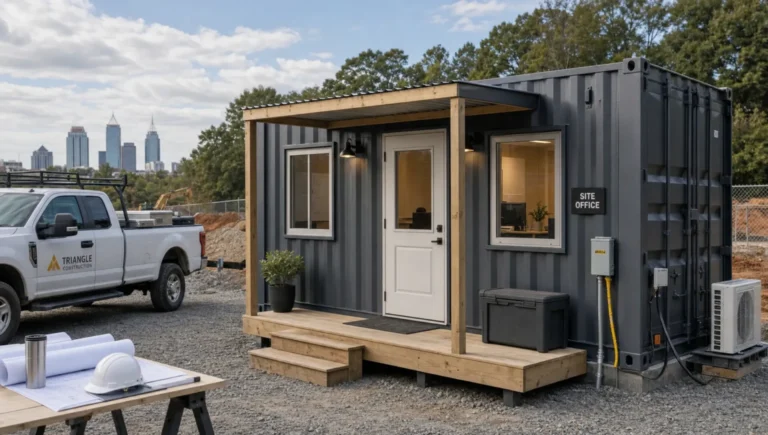
For real estate developers, modular builders, and container conversion projects, One-Trip containers are usually the cleaner starting point. If you plan to cut openings for windows, doors, HVAC, or framing, starting with better steel, cleaner floors, and fewer unknown repairs can save time during fabrication. High Cube units are especially popular for conversions because the extra foot of height creates more comfortable interior clearance.
For logistics managers, exporters, and freight buyers, Cargo Worthy is the key phrase. A WWT container may be excellent for storage, but that does not automatically mean it is suitable for international cargo movement. For shipping, you need to confirm structural suitability, inspection documentation, and any applicable CSC plate requirements with your freight provider.
Standard 40ft vs. 40ft High Cube: Grade Is Only Half the Choice
Most 40ft containers are either Standard or High Cube. A standard 40ft container is approximately 40 feet long, 8 feet wide, and 8 feet 6 inches tall on the exterior. A 40ft High Cube is also approximately 40 feet long and 8 feet wide, but it is 9 feet 6 inches tall, giving you roughly one extra foot of vertical clearance.
If your goal is secure steel storage for tools, materials, household goods, or business inventory, a standard unit can be the most straightforward fit. Buyers comparing standard 40ft options can review the 40ft Standard Shipping Container for Sale – Secure Steel Storage Container as a practical example of a full-length steel storage solution.
If you need extra height for palletized goods, taller equipment, shelving, insulation, ceiling framing, lighting, or a future office conversion, High Cube may be the better long-term choice. A 40ft High Cube Shipping Container – One Trip is especially relevant when you want additional interior clearance and a newer starting condition for storage or buildout planning.
The simplest way to think about it is this: Standard containers are often ideal for basic secure storage, while High Cube containers are better when vertical space improves usability. Grade tells you condition. Configuration tells you how the space will function.
How to Inspect a 40ft Container Before You Buy
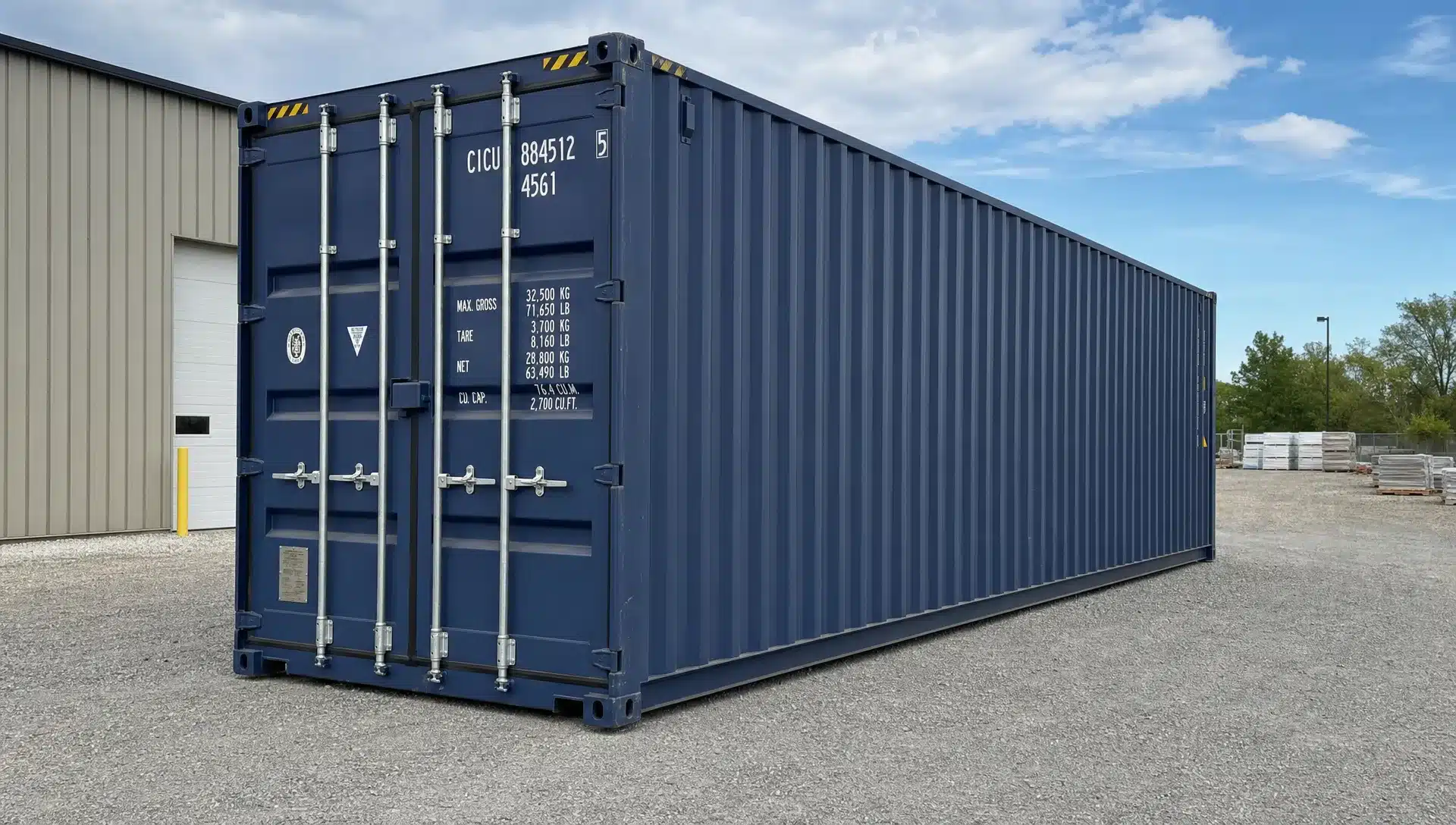
Even when the grade is clearly stated, smart buyers still ask specific inspection questions. A 40ft container has more roof area, floor area, and sidewall length than a 20ft unit, so small condition issues can be easy to miss if you only look at exterior photos.
Start with the roof. Dents are common on used containers, but deep roof depressions can collect water and eventually increase leak risk. Look for heavy rust, poor patch work, or punctures. From inside the container, close the doors and look for daylight entering through the roof, seams, sidewalls, or door gaskets.
Next, check the doors. Cargo doors should open and close without excessive force. Locking bars, cams, keepers, hinges, and rubber gaskets should be functional. Door problems can turn a good-priced container into a daily frustration, especially for contractors who need fast access to tools and materials.
Then inspect the floor. Most standard shipping containers use thick plywood flooring over steel crossmembers. Stains, patches, gouges, or delamination may be acceptable for some storage uses, but soft spots or strong odors deserve attention. If you plan to store furniture, retail goods, packaged inventory, or food-related equipment, interior cleanliness matters more.
Finally, ask about the understructure and corner posts. For storage, you want a unit that sits properly and closes securely. For shipping, structural condition is even more important. A Cargo Worthy unit should be evaluated for freight use, not just visual appeal.
If you are comparing used units, the Lease Lane Containers article on what smart buyers check in used containers is a helpful companion to this 40ft-focused grade guide.
How Grade Affects Price and Total Cost
A lower-grade 40ft container usually costs less upfront, but purchase price is only one part of the total cost. Delivery distance, site access, container type, grade, current market supply, and any modifications all affect the final number.
In general, One-Trip units command a premium because they are cleaner and newer. Cargo Worthy units often cost more than basic WWT units because they require stronger structural suitability for transport. WWT units are commonly chosen for value-focused stationary storage because they protect against wind and rain without the higher cost of a near-new container. As-Is units can be inexpensive, but they carry the most risk.
For buyers specifically researching used 40ft pricing, Lease Lane Containers explains the main cost drivers in this guide to used 40ft shipping container price factors. That context can help you compare quotes more accurately instead of focusing only on the lowest listed number.
When requesting a quote, ask whether delivery is included, what delivery method is expected, whether the unit is standard or High Cube, and what grade is being offered. A clear quote should help you understand what you are buying before a truck arrives at your property.
Pro Tip: Prepare the Site Before Delivery Day
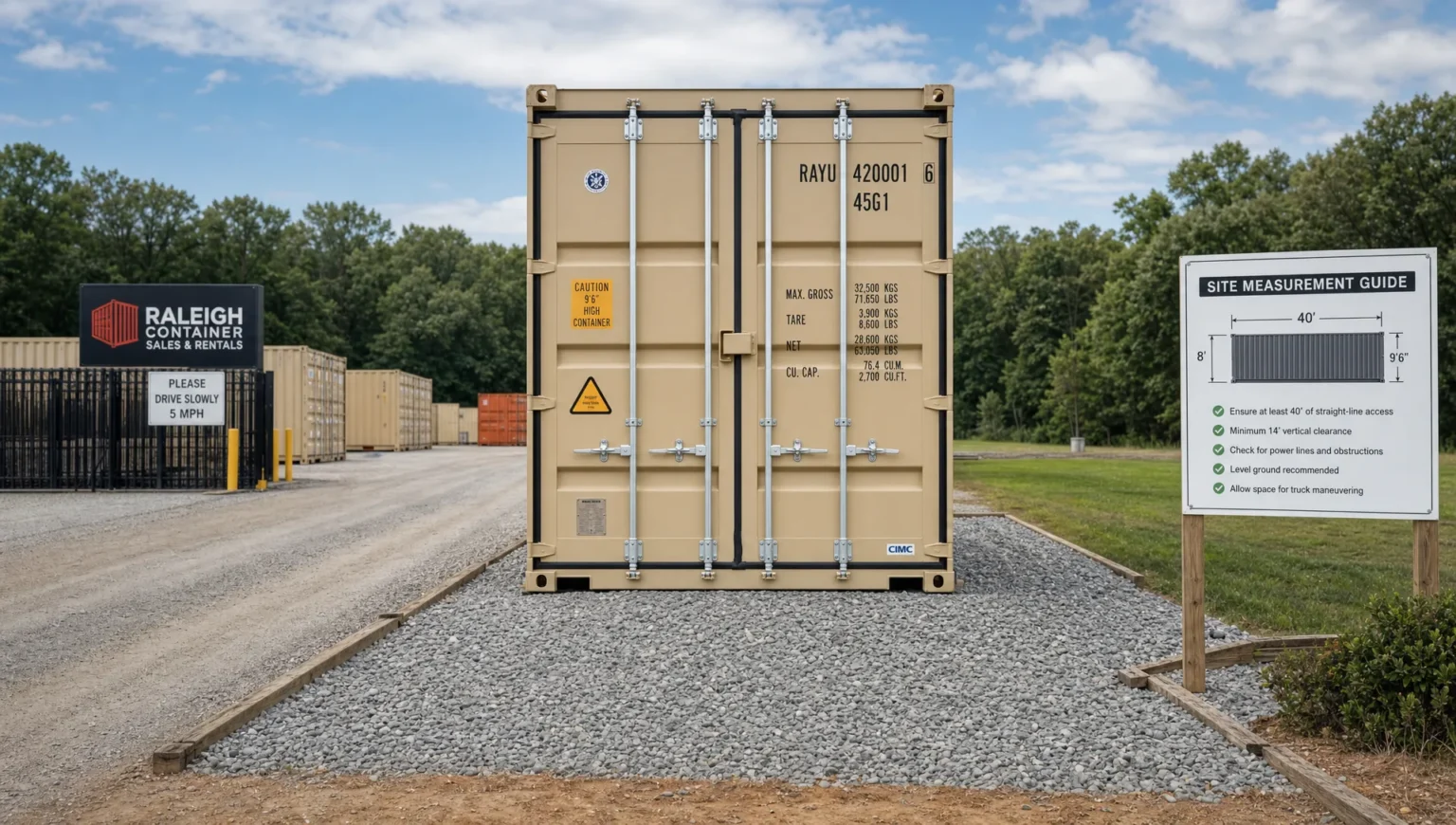
A 40ft container needs a stable, level landing area. It does not require a full concrete foundation for many storage applications, but it does need proper support. Poor site preparation can make doors bind, create drainage problems, and shorten the useful life of the container.
For most Raleigh-area properties and job sites in the Southeast, a compacted gravel pad is a smart, cost-effective starting point. Gravel improves drainage, reduces mud around the entry, and helps keep the container from sitting directly in standing water. The container should be supported at the corners or along stable bearing points, and the site should be as level as practical from side to side and end to end.
Delivery access matters just as much as the pad. A 40ft container usually requires significantly more straight-line clearance than the container length itself because the delivery truck needs room to maneuver and unload. Low tree limbs, overhead wires, soft ground, tight gates, narrow driveways, and steep grades can all complicate delivery.
Before delivery, also check local rules. Permit requirements vary by municipality, zoning district, HOA, and property use. A contractor placing a temporary jobsite container in Raleigh may face different requirements than a homeowner placing long-term storage in a suburban neighborhood or a business installing a container behind a warehouse. When in doubt, confirm with your local planning or zoning office before scheduling delivery.
Quick Grade Recommendations by Buyer Type
Use the table below as a starting point. The final choice should still reflect your budget, site, cargo sensitivity, and long-term plans.
| Buyer type | Common need | Recommended grade to consider | Why it fits |
|---|---|---|---|
| General contractor | Secure tool and material storage | WWT or CW | Weather protection and durable steel security for jobsite use |
| Small business owner | Inventory overflow or visible customer-facing project | WWT, CW, or One-Trip | WWT can work for back-of-house storage, while One-Trip is cleaner for visible uses |
| Homeowner or farm owner | Long-term property storage | WWT | Strong value when the unit is weather tight and doors function properly |
| Developer or modular builder | Office, retail, or residential conversion | One-Trip, often High Cube | Cleaner steel and extra height can simplify buildout planning |
| Logistics manager | Domestic or international freight | Cargo Worthy | Structural condition and transport suitability are the priority |
Frequently Asked Questions
Is a WWT 40ft container good enough for storage? Yes, a Wind and Watertight 40ft container is often a strong choice for stationary storage if the roof, doors, gaskets, floor, and walls are in suitable condition. It is commonly used for construction sites, farms, businesses, and residential storage.
Can I use a WWT container for international shipping? Not automatically. WWT means the unit keeps out wind and water, but it does not guarantee that the container is approved for cargo transport. For international shipping, ask for a Cargo Worthy unit and confirm the inspection and CSC requirements with your freight provider.
Is a One-Trip 40ft container worth the higher cost? It can be worth it if you want a cleaner appearance, newer condition, longer expected service life, or a better starting point for modifications. For basic jobsite storage, a quality WWT unit may be more cost-effective.
Should I choose a 40ft Standard or a 40ft High Cube container? Choose Standard if you need straightforward secure storage and do not require extra height. Choose High Cube if you plan to add shelving, insulation, lighting, HVAC, or store taller equipment. High Cube is also popular for office and modular conversion projects.
Do I need a permit for a 40ft container in Raleigh or elsewhere in North Carolina? It depends on the property, use, zoning, duration, and local rules. Raleigh, surrounding municipalities, rural counties, commercial sites, and HOAs may all treat containers differently. Always verify local requirements before delivery.
Ready to Choose the Right 40ft Container Grade?
The right 40ft container for sale is the one that matches your use, your site, and your required grade. Lease Lane Containers LLC helps buyers in Raleigh, across North Carolina, throughout the Southeast, and nationwide compare One-Trip, Cargo Worthy, and WWT options with clear guidance and reliable delivery planning.
For help choosing the right 40ft Standard or High Cube container, contact the sales team at [email protected] or visit the Raleigh office to discuss your project with a local container specialist.