

How Long Do Containers Last?
A container that looks rough on the outside can still deliver years of reliable service, while a cleaner-looking unit can fail early if the roof, corner posts, or floor have been neglected. That is usually what people mean when they ask, how long do containers last. They are not just asking for a number. They want to know how long a container will stay secure, weather-resistant, and structurally sound for the job they need it to do.
The short answer is that a shipping container can last 25 to 30 years or more in storage use, and sometimes longer with proper care. A container used in active ocean service usually has a shorter working life in that environment, often around 10 to 15 years, because salt air, repeated lifting, and constant loading cycles are hard on steel. Once retired from shipping and placed on a stable site, many containers continue performing well for decades.
How long do containers last in real-world use?
Container lifespan depends less on age alone and more on three factors: original build quality, current condition, and where the unit will live. Most standard containers are built from Corten steel, a weathering steel designed to resist corrosion better than ordinary carbon steel. That gives them a strong starting point, but it does not make them maintenance-free.
A one-trip container usually offers the longest remaining service life because it has only made a single loaded trip from the factory. These units typically have minimal structural wear, tighter door seals, and less floor fatigue. For buyers who want long-term storage with the fewest unknowns, one-trip is often the closest thing to a clean baseline.
A used Cargo Worthy container may still have many solid years left, especially if it has been inspected and repaired as needed. It may show dents, patches, surface rust, or prior repairs, but if the frame, cross members, roof, doors, and flooring remain sound, it can still be a dependable asset. A Wind & Watertight container is often a practical choice for storage, though the exact remaining lifespan depends on its maintenance history and the quality of any repairs.
What shortens a container’s lifespan
The biggest lifespan reducer is corrosion. Surface rust is common and often manageable. Deep corrosion that eats into the roof panels, bottom rails, door frames, or corner castings is a different issue because it affects structural integrity. Salt-heavy coastal environments, standing water, and poor drainage accelerate that process.
Improper site setup is another common problem. If a container sits directly on wet soil, stays out of level, or twists under uneven support, the frame can rack over time. That may lead to door alignment problems, stress on the side panels, and premature wear on the floor system. A good container can lose years of useful life simply because the site was not prepared correctly.
Roof damage is often overlooked. Shipping container roofs are strong, but they are made from relatively thin steel panels. Ponding water, falling branches, or impact damage can lead to rust-through if small issues are left untreated. For job-site storage, agricultural use, or rural properties with tree cover, roof inspections matter more than many buyers expect.
Interior moisture also causes trouble. Condensation can damage flooring, tools, inventory, and wall interiors if a container is converted. In freeze-thaw climates, trapped moisture can make minor issues worse. Ventilation, insulation, and moisture control are not cosmetic upgrades. They can directly affect how long the container and its contents hold up.
How long do containers last by condition and grade?
This is where clear grading matters. Buyers often compare prices without comparing condition standards, and that is where surprises happen.
A one-trip container can commonly provide 25 years or more of on-site service with basic maintenance. For many commercial and residential buyers, that means long-term storage with a low likelihood of major repairs in the near term.
A used Cargo Worthy container might deliver 10 to 20 more years, depending on its age, repair history, and environment. The range is broad because not all used containers have lived the same life. A container that spent years in harsh marine service is different from one that saw lighter use and was maintained well.
A Wind & Watertight container may also last many years, but this category can vary more widely. It generally means the container keeps out wind and water, not that it has minimal wear or meets the same transport standards as Cargo Worthy. For static storage, it may be a cost-effective option. For long-term placement where appearance, straight doors, and lower repair risk matter, buyers often prefer a higher grade.
Refurbished containers can extend useful life if the refurbishment addressed structural issues rather than just paint. A fresh exterior coating helps, but coating alone is not a repair strategy. The real value is in steel replacement, rust treatment, seal replacement, floor repair, and verification that the frame remains square.
The environment matters more than most buyers think
A container in inland North Carolina will usually age differently than one placed near the Gulf Coast or directly on a snowy, poorly drained lot in the Midwest. Heat, humidity, salt, and freeze-thaw cycles all affect steel, seals, and flooring.
In coastal areas, corrosion control becomes the top priority. In wet agricultural settings, mud and standing water under the container can accelerate understructure deterioration. In dry climates, lifespan may be longer overall, but UV exposure can still degrade door gaskets and any applied coatings.
If the container will be used for equipment storage, inventory overflow, or a workshop, climate control choices also matter. A refrigerated container has different components and maintenance needs than a dry van. Reefer units can last a long time structurally, but the refrigeration machinery adds a separate lifecycle question. The shell may remain useful long after the reefer system needs major service or replacement.
Maintenance that adds years, not just appearances
Container maintenance is straightforward, but it needs to be consistent. The most effective step is keeping the unit level and elevated enough for drainage. Concrete piers, railroad ties rated for the load, or other stable supports can help prevent moisture buildup and frame stress. The exact support plan depends on soil conditions and container size.
Rust treatment should happen early, not after perforation appears. Cleaning affected areas, removing loose corrosion, applying primer, and repainting exposed steel can slow deterioration significantly. Door seals should also be checked regularly. A failed gasket is a small part that can turn into a large moisture problem.
For long-term use, inspect the roof, door hardware, floor condition, and underside at regular intervals. If the doors start binding, do not assume it is just age. It may be a sign the container has shifted or the support points are no longer carrying weight evenly.
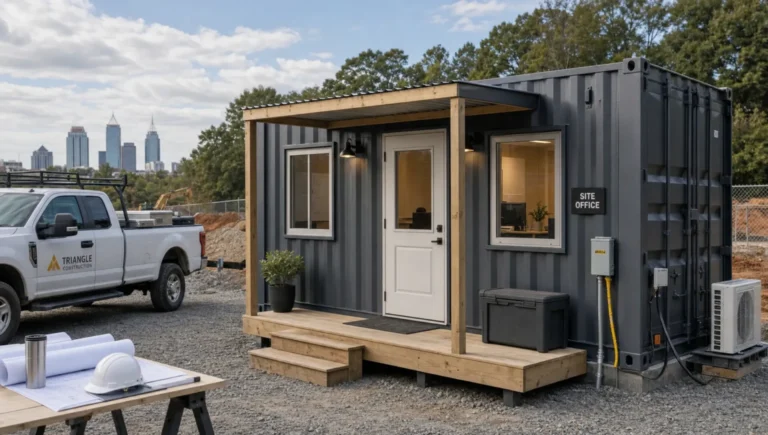
If you are modifying the container for a mobile office, retail pop-up, or workshop, cutting openings without reinforcing the structure can reduce lifespan. Containers rely on their corrugated walls and corner post system to distribute loads. Done correctly, modifications can perform well for years. Done cheaply, they can create weak points that show up later as leaks, flexing, and door problems.
When replacement makes more sense than repair
There is a point where repeated patching stops being cost-effective. If a container has extensive corrosion at structural points, widespread floor damage, major roof failure, or severe frame distortion, repair costs can approach the value of a better unit. That is especially true if appearance matters for customer-facing use or if the container needs to remain dependable with minimal downtime.
For contractors and operators who need zero surprises, the right move is often buying a grade that matches the intended service life from the start. Paying less upfront for a heavily worn unit can make sense for short-term storage. It is less attractive when the container needs to sit for ten years, hold valuable equipment, or support a custom build.
That is why verified specifications matter. A transparent seller should explain what grade you are buying, what condition to expect, and how the delivery setup may affect long-term performance. At Lease Lane Containers, that practical planning is often what saves buyers from hidden costs later.
What should you expect from your container?
If you buy the right grade, place it on a properly prepared site, and stay ahead of minor maintenance, a shipping container can be a very long-term storage solution. A one-trip unit may realistically serve a homeowner, contractor, or farm operation for decades. A used container can still be an excellent value, but only if you understand the trade-off between price, cosmetic wear, and remaining lifespan.
The better question is not just how long do containers last. It is how long will this specific container last in your environment, on your site, and for your use case. Get that answer clearly before delivery, and you are far more likely to end up with a container that performs exactly as expected for years to come.
A durable container is rarely an accident. It is usually the result of choosing the right grade, preparing the site correctly, and dealing with small issues before they become expensive ones.